The Mediterranean Diet

Some Mirthful Musings fromSean O’Morrow PA-C |
Interested in improving your nutrition, mental wellness, metabolic health, or weight? If you live in Michigan, I'd love the opportunity to work with you. I look forward to meeting you and being part of your health journey.
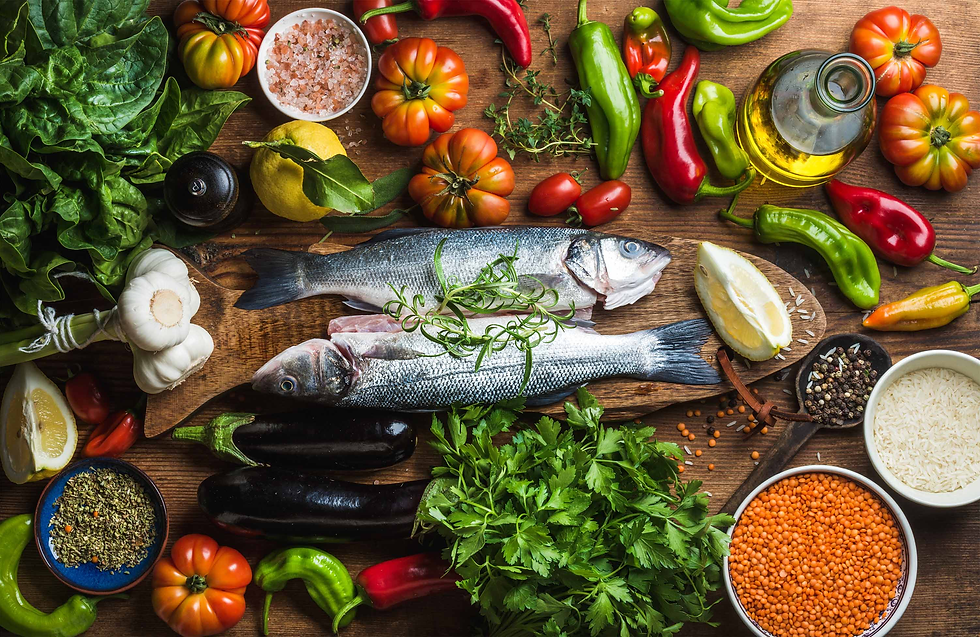
Diet for Weight Loss and Proper NutritionThe Mediterranean diet promotes sustainable weight loss by emphasizing whole, nutrient-dense foods—like vegetables, fruits, whole grains, and healthy fats—which keep you full and satisfied.
|
A Simple Plate FormulaIf you don't want to follow recipes, use this formula for most meals: 🥦 ½ plate vegetables🍗 ¼ plate lean protein🌾 ¼ plate whole grains or beans🫒 1-2 tablespoons healthy fats
 Here are three simple, Mediterranean-style meals that follow those principles and are easy enough for a busy weekday. Breakfast: Berry Protein Oatmeal BowlIngredients
Directions
Why it works
Lunch: Mediterranean Quinoa Power BowlIngredients
Directions
Why it works
Dinner: Lemon Herb Salmon with Roasted VegetablesIngredients
Directions
Why it works
I'd like to focus today on the Mediterranean diet. While other approaches, such as the ketogenic diet and the Blue Zones philosophy, offer valuable insights, the Mediterranean diet has consistently demonstrated benefits for reducing inflammation, improving cardiovascular health, supporting metabolic health, and promoting sustainable weight loss. What I appreciate most about this approach is that it is practical, flexible, and supported by a large body of scientific research. In fact, many of these same principles guide my own daily eating habits. For those interested in learning more, THIS ARTICLE from The Cleveland Clinic provides an excellent overview of the Mediterranean diet and the evidence behind it. I encourage you to review their resources for additional information and meal ideas.
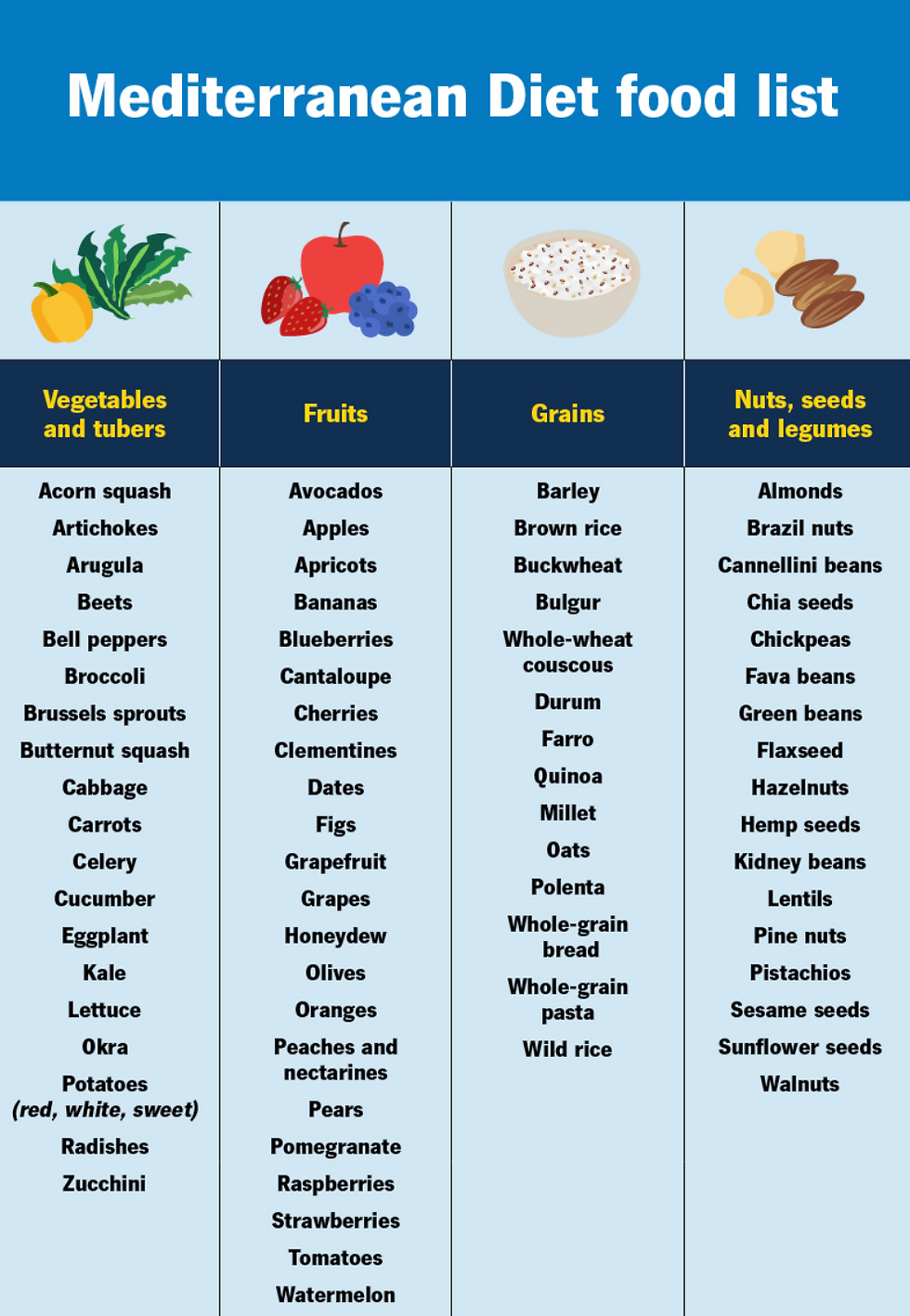  Avocados provide a unique combination of fiber, heart-healthy fats, antioxidants, and important minerals such as potassium and magnesium, all of which may contribute to better cardiovascular health. Research from the Harvard T.H. Chan School of Public Health examined 30 years of data from more than 110,000 participants in the Health Professionals Follow-Up Study and Nurses' Health Study. The researchers found that individuals who consumed the equivalent of at least one avocado per week had a 16% lower risk of cardiovascular disease and a 21% lower risk of coronary heart disease compared with those who rarely or never ate avocados. The greatest benefit was observed when avocados replaced foods higher in saturated fat, such as butter, margarine, full-fat dairy products, processed meats, or eggs. Replacing these foods with avocado may help improve cholesterol levels and support overall heart health. |



Comments