Your Diet Affects Your Mental Wellbeing

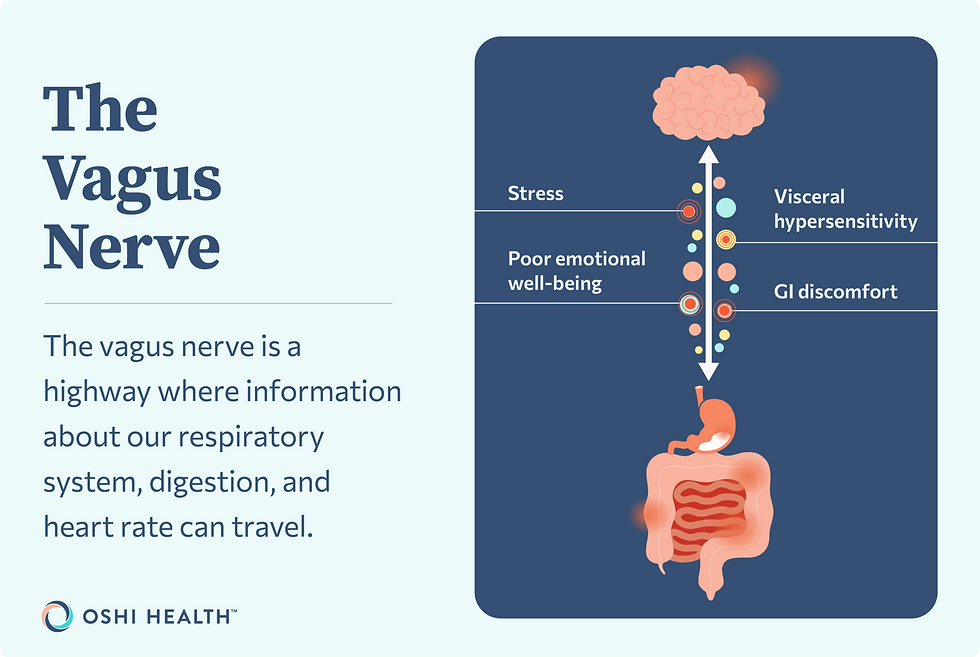 You're not feeling like yourself. You had a rough week, a terrible month, and you reach for a tub of ice cream, a bottle of wine, or a bag of Cheetos. We've all been there. During my clinical rotations in school, I had no fewer than five different flavors of Jeni's Ice Cream in my freezer at any given time. While preparing for my board exam, my wife once had to kindly tell my daughter, "He's not frustrated with you. He's stressed about his exam." To which my daughter replied, "I know. That's why he's eating peanut butter straight out of the jar." As it turns out, there may be more truth to emotional eating than we realize. Serotonin is often referred to as the body's natural "happy chemical." It plays a vital role in regulating mood, sleep, digestion, and many other physical and psychological processes. Remarkably, up to 90% of the body's serotonin is produced in the gut, using nutrients derived from the food you eat. The gut and brain are also connected through the vagus nerve, a remarkable communication pathway that acts like a two-way information highway between your digestive system and your central nervous system. Signals from the gut travel through the vagus nerve to influence mood, stress response, and emotional regulation, while stress and anxiety can send signals back that affect digestion, appetite, and even food cravings. This constant conversation between the gut and brain helps explain why emotional stress can upset your stomach and why improving gut health may have a positive impact on mental well-being. When your gut is healthy, you're more likely to experience better mood regulation, lower levels of anxiety, and improved resilience to stress.While there's no single food that can cure depression or anxiety, improving your diet is one of the most meaningful lifestyle changes you can make for both your physical and mental health. Here are a few small steps that can make a big difference: Support Your Gut, Support Your MindIncrease dietary fiber and plant diversityEating a wide variety of fruits, vegetables, legumes, nuts, seeds, and whole grains helps nourish a diverse gut microbiome. These beneficial microbes produce short-chain fatty acids (SCFAs), which help reduce inflammation, strengthen the gut barrier, and support healthy brain function. Incorporate fermented foodsFoods such as yogurt, kefir, kimchi, sauerkraut, miso, and tempeh introduce beneficial bacteria that can positively influence the gut-brain connection. These microbes may help support serotonin production, improve stress resilience, and promote emotional well-being. Limit ultra-processed foodsFrequent consumption of foods high in refined sugars, artificial ingredients, and heavily processed additives can disrupt the gut lining and contribute to chronic inflammation. Increased inflammation has been linked to worsening mood, anxiety, and depressive symptoms. Consider probiotic supplementationCertain probiotic strains, particularly those containing Lactobacillus and Bifidobacterium species, have shown modest benefits for mood and anxiety in clinical studies. These "psychobiotics" may support mental health through their effects on gut bacteria, neurotransmitter production, and communication along the gut-brain axis. |
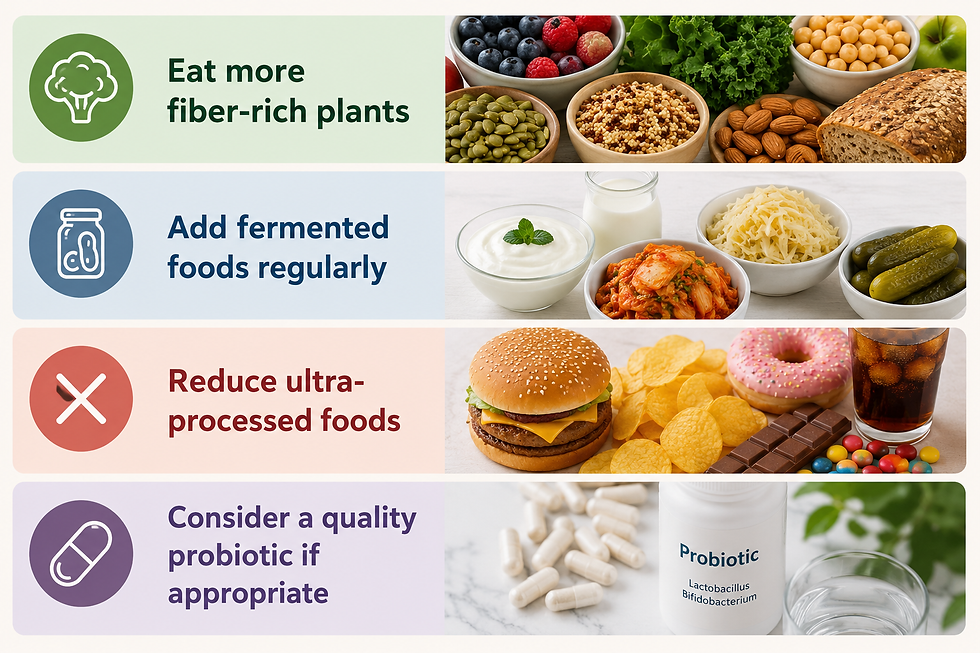
Practical Takeaway🥦 Eat more fiber-rich plants🥒 Add fermented foods regularly🚫 Reduce ultra-processed foods💊 Consider a quality probiotic if appropriate
 Gut-Friendly Day of EatingBreakfast: Berry Kefir Overnight OatsIngredients
Directions
Gut Health Benefits
Lunch: Mediterranean Chickpea BowlIngredients
Directions
Gut Health Benefits
Dinner: Salmon with Roasted Vegetables and SauerkrautIngredients
Directions
Gut Health Benefits

Blueberries are one of the most nutrient-dense fruits you can add to your diet. Rich in fiber, vitamins, and powerful antioxidants called anthocyanins, they have been linked to improved heart health, better memory and cognitive function, and healthier blood sugar regulation. Their anti-inflammatory properties may also help reduce muscle soreness after exercise, while their fiber content supports digestion and a healthy gut microbiome. With only about 80 calories per cup, blueberries are a simple and delicious way to support overall health.  |

Comments