How Diet Shapes Mental Health

I am a physician assistant in a busy mental health clinic. On any given day, I have follow-ups, initial evaluations, therapy sessions, and plenty of questions from patients looking for ways to improve their health. One of the first questions I ask is, "How is your diet?" The link between depression, anxiety, and diet has been known for some time. These conditions can bring on binge eating, alcohol and THC consumption, higher fat and sugar intake, and random snacking that adds calories FAST. None of this is ideal for long-term success and can become a one-way ticket to diabetes, heart disease, and something known as metabolic syndrome.  Scary stuff. The good news? It's reversible, and every week I see patients make positive progress. So what is metabolic syndrome, and how does it affect your brain? Metabolic syndrome is a cluster of conditions, including high blood pressure, high blood sugar, excess body fat around the waist, and abnormal cholesterol levels, that significantly increase your risk of heart disease, stroke, and type 2 diabetes. Having any three of these five warning signs qualifies as a diagnosis. The picture above paints within the lines a little more fully. When your glucose (blood sugar) level is high, your pancreas works harder to create a hormone called insulin. Perhaps you've heard of it. If your glucose levels remain consistently elevated, your pancreas eventually says, "Yeah, I'm out," and walks off the job mid-shift disgruntled and exhausted. Insulin production becomes less effective. At the same time, your muscles, which are responsible for roughly 80% of glucose absorption, become less responsive and stop taking glucose from the bloodstream efficiently. This leads to elevated fasting glucose levels and higher A1C values on your lab work. So your cholesterol numbers are jacked, your waistline is expanding into previously unknown territory, and your insulin is working overtime to keep your sugars in check. What's this got to do with your brain? Blood sugar dysregulation creates inflammation - Inflammation everywhere! As far as the eye can see - and your neural network doesn't work well with inflammation. As insulin resistance develops, the brain becomes "leakier," meaning more substances can pass through the blood-brain barrier and enter brain tissue. This results in a buildup of toxic substances and increased inflammation. We see significantly more inflammation in the brains of people with mental illness, especially treatment-resistant patients, than we do in healthy individuals. For decades, the ketogenic diet (low carbohydrate, adequate protein, high fat) has been shown to improve symptoms associated with epilepsy and seizure disorders. The hypothesis is that a better diet produces less inflammation and provides beneficial fuel called ketones for the brain rather than relying primarily on glucose, but that's another post. While healthy eating, proper sleep hygiene (I'm a big, BIG fan of this), and abstaining from - or at least greatly limiting - added sugars, THC, and alcohol are not miracle cures for mental illness, they do give the body and brain a fighting chance.
|
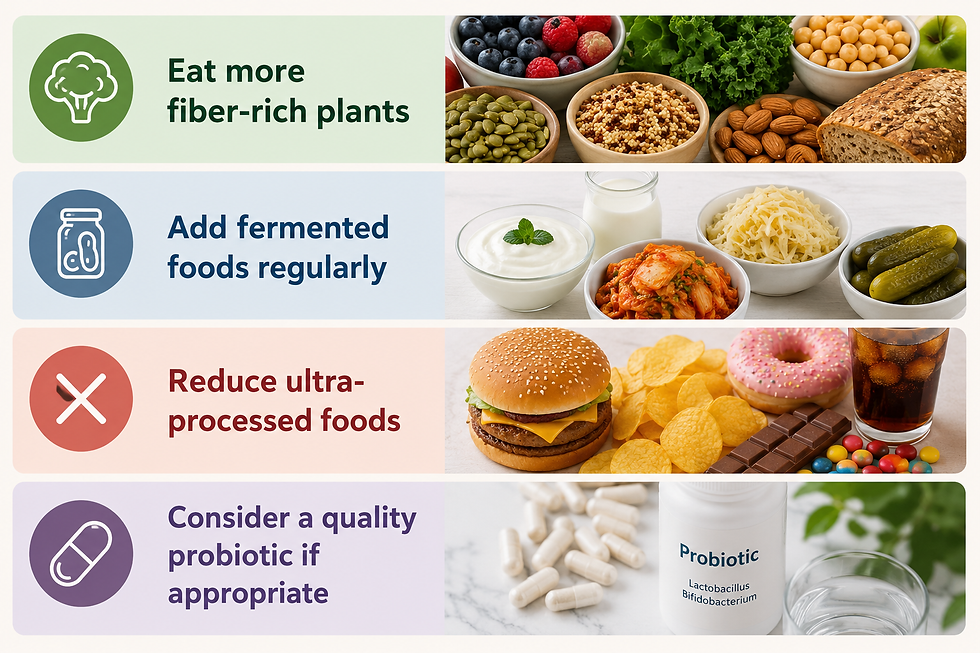
Practical TakeawaysYou don't need to become a keto expert overnight to improve your metabolic health. Start with a few simple changes:
I tell all of my patients that need to hear it, “Perfect is the Enemy of Good.” I don’t need you to be perfect. You don’t need to be Tiger Woods at Pebble Beach circa 2000. What a fantastic round by the way. I just ask that you are making active progress. Small improvements in diet, sleep, exercise, and metabolic health can add up over time, reducing inflammation and improving both physical and mental well-being. While we still have much to learn about the relationship between metabolism and mental illness, the evidence continues to point in the same direction: what's good for the body is often good for the brain.
Keto Recipes for Better Brain HealthBreakfast: Smoked Salmon & Avocado ScrambleIngredients
Directions
Why it's good for brain health: Rich in omega-3 fats, choline, and healthy monounsaturated fats that support cognition and reduce inflammation. Lunch: Mediterranean Keto Chicken BowlIngredients
Directions
Why it's good for brain health: Provides protein for neurotransmitter production, olive oil polyphenols, and nutrient-dense vegetables that support metabolic health. Dinner: Walnut Pesto Salmon with Roasted BroccoliIngredients
Directions
Why it's good for brain health: High in omega-3 fatty acids, antioxidants, and anti-inflammatory compounds that support brain function. Dessert: Keto Blueberry Cheesecake BowlIngredients
Directions
Why it's good for brain health: Provides protein, probiotics, antioxidants, and healthy fats while keeping carbohydrates relatively low. 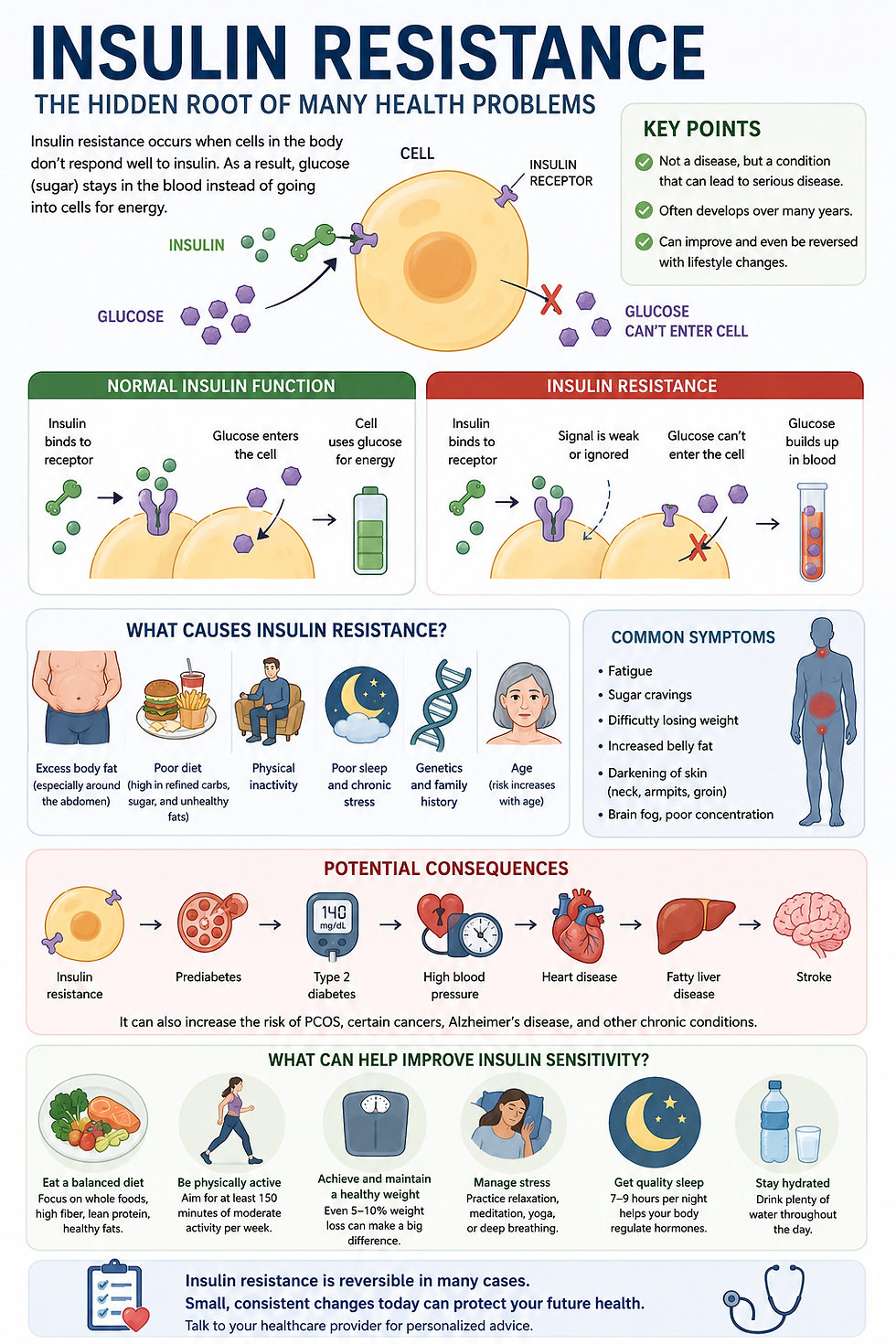 What can you do today to improve your brain health? Start by putting more fish on your plate. Fatty fish such as salmon, sardines, trout, and mackerel are rich in omega-3 fatty acids. Omega-3s are essential fats that play a critical role in brain development, cognitive function, and heart health. Research has shown that omega-3s can help lower triglyceride levels (one of the contributors to metabolic syndrome discussed above), improve cholesterol profiles, and reduce blood pressure. Perhaps most importantly, they help decrease inflammation throughout the body, including the brain. Less inflammation, better metabolic health, and improved cardiovascular function all contribute to a healthier brain and may support long-term mental wellness. Holy mackerel!  |

Comments